Understanding the Home Robot 2026 Landscape
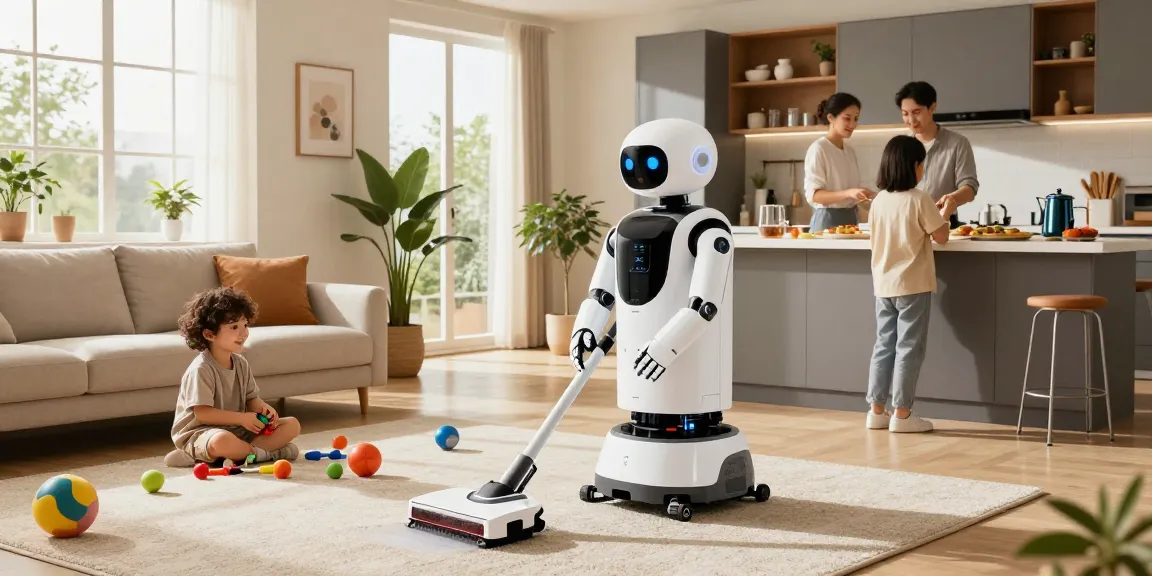
The year 2026 is poised to transform the household landscape with the advent of advanced home robots, elevating the concept of automation from simple tasks to complex, multifaceted roles within our homes. The integration of these robots extends beyond cleaning; they are designed to interact with family members, learn household preferences, and offer an unprecedented level of convenience. As we delve into the home robot 2026 market, it becomes essential to comprehend their functionalities and the technology driving their development.
What is a Home Robot?
A home robot is an autonomous or semi-autonomous device designed to assist with household tasks. These robots can perform various chores, from vacuuming and mopping to managing home security and assisting with cooking. Unlike traditional robotic cleaners, modern home robots incorporate artificial intelligence (AI), enabling them to adapt and learn from their environments, thereby improving efficiency over time.
Key Features of Home Robots in 2026
- Artificial Intelligence: AI allows robots to learn user preferences, enhancing their functionalities. They can recognize faces, respond to voice commands, and adapt their behavior based on prior interactions.
- Multi-tasking Abilities: The latest home robots are capable of performing several functions simultaneously, such as cleaning, monitoring, and even providing companionship.
- Remote Access: Most modern robots can be controlled via smartphone apps, giving users the flexibility to manage household chores from anywhere.
- Advanced Sensors: Sensors enable robots to navigate spaces intelligently, detect obstacles, and operate effectively in complex environments.
Comparative Analysis with Previous Models
While home robots have existed for years, the models available in 2026 are notably more sophisticated than their predecessors. Early versions of home robots were mainly focused on vacuuming, with limited functionalities and minimal interaction capabilities. In contrast, the 2026 models incorporate extensive AI capabilities, enabling them to perform complex tasks, learn household routines, and even engage in social interactions.
Benefits of Integrating Home Robots
Increased Efficiency in Daily Tasks
Home robots significantly streamline domestic chores. By taking on repetitive tasks, they free up valuable time for homeowners, allowing them to focus on more enjoyable activities. For example, a robot could manage daily vacuuming and mopping, freeing the homeowner to spend time with family or pursue hobbies.
Enhancing Family Life with Smart Automation
Integrating a home robot can enhance the quality of family life. With features like grocery list management and cooking assistance, these robots reduce household stress and improve overall family dynamics. Additionally, they provide a new form of interaction, making them an integral part of the household.
Cost-Effectiveness in the Long Run
Although the initial investment in a home robot might be substantial, the long-term savings can be considerable. By automating chores, homes can save on cleaning services, reduce the necessity for multiple devices, and increase overall home efficiency, leading to lower energy costs.
Top Home Robot Models to Watch in 2026
Introducing the NEO Home Robot
The NEO home robot has garnered attention for its multifunctional abilities. Capable of navigating complex home environments, NEO incorporates AI to personalize its cleaning routines, ensuring an optimized cleaning session tailored to the user’s preferences. It can also assist with minor household repairs, showcasing the versatility of home robotics in modern living.
Features of LG’s CLOiD Robot
LG’s CLOiD is another standout in the 2026 home robot market, designed to manage cooking and laundry tasks effectively. With its advanced AI, CLOiD can suggest recipes based on available ingredients and even cook meals autonomously. Moreover, it offers laundry management, folding clothes, and delicates handling, making it a comprehensive household assistant.
Comparing Features and Pricing
When assessing home robots like NEO and CLOiD, potential buyers should consider both the features and the price points. While NEO is priced around $20,000, CLOiD offers a slightly lower starting price with different feature sets. Understanding the cost versus the benefits is crucial for consumers aiming to invest in home robotics.
Challenges and Considerations
Common Misconceptions About Home Robots
One persistent misconception is that home robots are too complex for average users. However, advancements in user-friendly interfaces and smart technology ensure that these devices are accessible for everyone, regardless of technical skill.
Addressing Privacy and Security Concerns
As with any smart device, privacy and security are legitimate concerns surrounding home robots. Manufacturers must prioritize data protection, employing robust encryption and allowing users to control their data. Users should remain informed and practice safe settings management to mitigate risks.
Maintenance and Long-Term Support
Home robots, like any technology, require maintenance. Understanding how to perform routine updates, troubleshoot issues, and access support can help maximize the lifespan and performance of the robot. Manufacturers providing dedicated customer service will be a significant factor in long-term satisfaction.
The Future of Home Robotics
Emerging Trends in Home Automation
As the home robotics market grows, trends such as increased collaboration between devices and enhanced AI capabilities are expected. The concept of a fully integrated smart home ecosystem is becoming a reality, where robots communicate with other smart devices to create seamless household management.
How AI Enhances Home Robots
AI is the backbone of modern home robots, enabling them to perform complex tasks and engage with users intelligently. With machine learning advancements, robots will continue to learn from their environments, becoming more effective at servicing user needs over time.
Predictions for Home Robot Adoption Rates in 2026
Experts predict that the adoption of home robots will see a significant increase by 2026, moving from niche markets into mainstream usage. Factors contributing to this trend include decreasing technology costs, increasing consumer awareness, and the growing demand for smart home technology.
What features should I look for in a home robot 2026?
When evaluating home robots, users should consider features such as AI capabilities, multi-tasking functions, ease of use, and integration with smart home systems. The ability to handle various chores and work seamlessly with other devices will determine a robot’s practical value.
How much will home robots cost in 2026?
The price range for home robots in 2026 is expected to vary significantly based on functionality, brand, and design. Budget models may start around $5,000, while advanced models like NEO and CLOiD may reach upwards of $20,000 or more, depending on their capabilities.
Can home robots handle multiple tasks?
Yes, the majority of home robots released in 2026 are designed to handle multiple tasks, thanks to their advanced algorithms and multi-functional capabilities. They can manage tasks such as cleaning, cooking, and even security monitoring, making them a valuable addition to modern households.
Are home robots safe for families?
Safety is a paramount concern for any household technology. Most home robots are built with safety features and protocols to prevent accidents. Users must ensure proper setup and understand their robot’s functionalities to enhance safety in the home.
What are the best home robots available?
As of 2026, models like the NEO and LG’s CLOiD are considered top contenders in the home robot market due to their multifunctionality and advanced AI integration. Researching user reviews and performance assessments will aid in selecting the best fit for individual needs.