Understanding Wärmepumpen for Altbau Settings
As homeowners increasingly seek sustainable heating solutions, the discussion around the wärmepumpe im altbau becomes ever more relevant. Wärmepumpen, or heat pumps, offer an innovative way to heat older buildings efficiently. However, understanding how these systems function and their compatibility with existing infrastructures is critical for making informed decisions. In this article, we will explore what a Wärmepumpe is, the various types suitable for Altbau, and the advantages of integrating such systems in older homes.
What is a Wärmepumpe?
A Wärmepumpe is a device that transfers heat from one place to another, effectively providing heating during winter and cooling in summer. This technology can draw heat from sources such as the air, ground, or water, making it a versatile solution for various climates. Unlike traditional heating systems that rely on burning fossil fuels, Wärmepumpen utilize electricity to move heat, resulting in a more environmentally friendly heating option.
Types of Wärmepumpen Suitable for Altbau
For homeowners in Altbau settings, the most common types of Wärmepumpen include:
- Air-to-Water Wärmepumpen: These systems extract heat from outdoor air and transfer it into the home. They are generally easier to install compared to ground-source options.
- Ground Source Wärmepumpen: Also known as geothermal heat pumps, these systems draw heat from the ground. They are highly efficient but require more extensive installation work.
- Water Source Wärmepumpen: These systems leverage nearby water bodies, such as lakes or rivers, for heat exchange. They have specific site requirements and may involve higher initial costs.
Advantages of Using Wärmepumpen in Older Buildings
The integration of Wärmepumpen in Altbau offers several advantages:
- Energy Efficiency: Wärmepumpen are known for their high energy efficiency, which can significantly lower heating costs compared to traditional systems.
- Environmental Benefits: Utilizing renewable energy sources for heating reduces reliance on fossil fuels, thereby decreasing greenhouse gas emissions.
- Regulatory Incentives: Many governments offer subsidies and financial incentives for homeowners who switch to energy-efficient systems, making this transition economically appealing.
Key Considerations for Installation
Before deciding to install a Wärmepumpe in your Altbau, it’s important to assess several key factors that will influence the effectiveness of the system.
Assessing Your Home's Heating Requirements
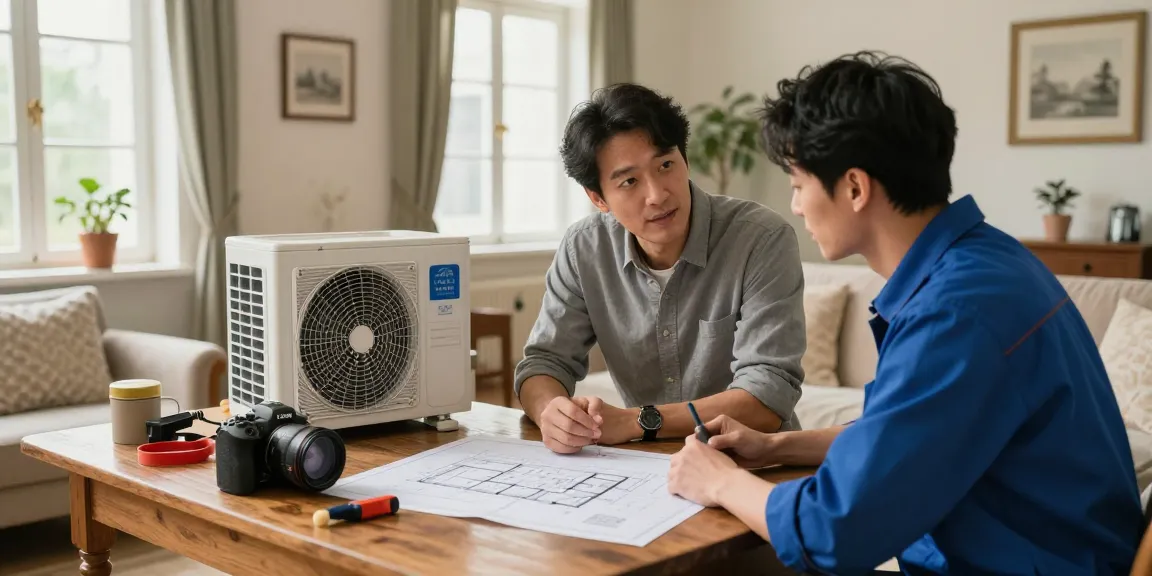
Every home possesses unique heating needs, influenced by size, insulation, and existing heating systems. Conducting a heating load calculation ensures that you choose a Wärmepumpe capable of meeting your home's requirements. Consulting with an HVAC professional can provide insights into your specific situation.
Understanding Energy Efficiency Ratings
It’s crucial to consider the energy efficiency ratings of Wärmepumpen, particularly the coefficient of performance (COP), which indicates the ratio of heating or cooling provided to the energy consumed. Higher COP values signify greater efficiency, contributing to lower operational costs.
Common Installation Challenges and Solutions
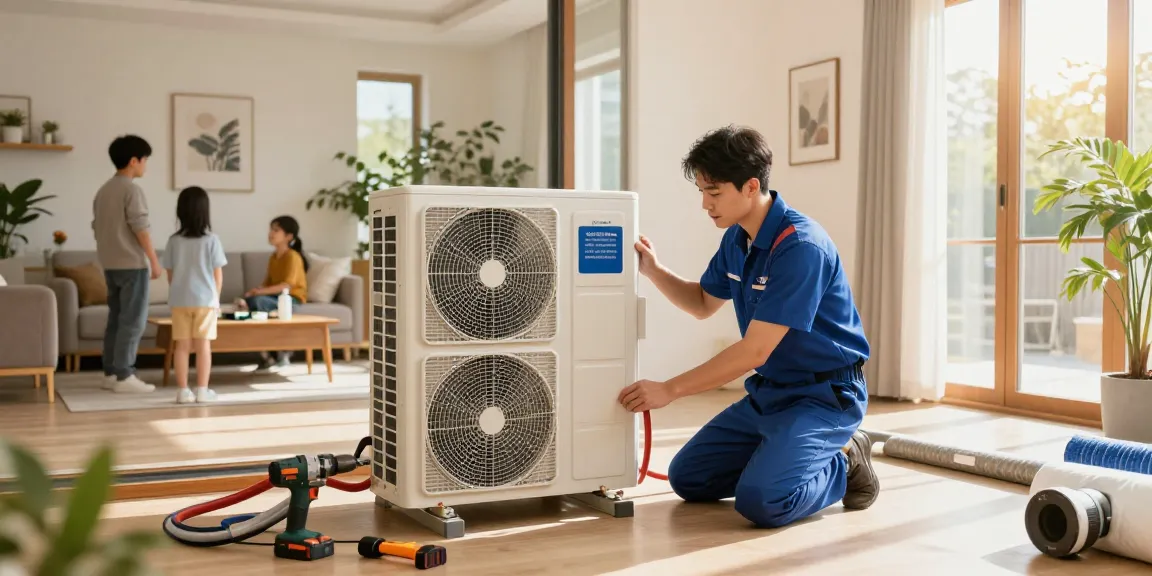
Installing a Wärmepumpe in an older building can come with its set of challenges, including space constraints and outdated infrastructure. Addressing these issues often requires careful planning and potentially upgrading insulation or heating distribution systems. When exploring options, wärmepumpe im altbau provides comprehensive insights into overcoming these barriers effectively.
Cost Implications of Wärmepumpen in Altbau
Understanding the financial aspects of integrating a Wärmepumpe can help homeowners make a more informed decision.
Initial Investment and Long-Term Savings
The initial investment for a Wärmepumpe can vary considerably, influenced by the type of system chosen and the specific installation requirements. However, the long-term savings, including reduced energy bills and maintenance costs, often justify the upfront expense. A well-planned installation can result in financial benefits that outweigh the initial outlay over time.
Government Subsidies and Incentives for Retrofits
Various government programs offer financial assistance for home energy retrofits. These incentives can significantly reduce the cost of installing a Wärmepumpe, making it a more viable option for homeowners. It's essential to investigate local and national programs to maximize potential savings.
Calculating the Return on Investment
To ascertain the financial viability of a Wärmepumpe, homeowners should calculate the return on investment (ROI). This analysis includes evaluating installation costs, energy savings, and any available subsidies. A positive ROI can be a strong motivator for transitioning to this energy-efficient system.
Maintaining and Optimizing Your Wärmepumpe System
Maintenance is crucial for ensuring the longevity and efficiency of your Wärmepumpe system. Regular upkeep can prevent significant issues and maintain operational efficiency.
Regular Maintenance Tips for Longevity
Key maintenance tasks include regular filter changes, professional inspections, and system cleaning. These actions can enhance performance and extend the lifespan of the Wärmepumpe.
Signs Your Wärmepumpe Needs Attention
Homeowners should be vigilant for signs of inefficiency, such as unusual noises, inconsistent heating, or increased energy bills. Recognizing these indicators early can prevent more extensive and costly repairs later.
Improving Efficiency for Optimal Performance
To maximize energy savings, consider implementing additional insulation or upgrading existing heating distribution systems. These improvements can complement the Wärmepumpe's performance, leading to optimal efficiency.
Future Trends in Energy Solutions for Altbau
The energy landscape is rapidly evolving, and several trends are shaping the future of heating solutions like Wärmepumpen.
Innovations in Wärmepump Technology
Technological advancements, including smart control systems and enhanced refrigerants, are improving the efficiency and adaptability of Wärmepumpen. These innovations promise to make heat pumps even more competitive with conventional heating systems.
Predictions for Energy Costs and Sustainability
As energy costs fluctuate, homeowners are likely to seek more sustainable solutions. The effectiveness of Wärmepumpen in reducing dependency on conventional fuels places them prominently in future energy scenarios.
Integrating Home Automation with Wärmepumpen
Smart home technology integration is becoming commonplace, allowing homeowners to optimize their heating systems through automation and remote management. This integration can result in improved energy efficiency and user convenience.
In conclusion, installing a Wärmepumpe in an Altbau can be a transformative investment, particularly in light of the numerous financial and environmental benefits. By understanding the types available, assessing heating requirements, and planning for installation, homeowners can make informed decisions that align with modern energy standards and reduce their carbon footprint.
What are the benefits of installing a Wärmepumpe in an Altbau?
The primary benefits include significant energy savings, environmental sustainability, and access to government incentives. Additionally, a Wärmepumpe can enhance the overall comfort of your home.
Can all Altbau homes use a Wärmepumpe?
While many Altbau homes can benefit from a Wärmepumpe, factors such as insulation quality and existing heating systems determine suitability. A professional assessment is recommended to ascertain compatibility.
How to assess if a Wärmepumpe is right for my home?
Engaging with an HVAC professional for a thorough analysis of your home’s heating needs will provide clarity on whether a Wärmepumpe is the right solution.
What installation challenges are common in Altbau settings?
Challenges often include limited space, outdated heating systems, and inadequate insulation. Addressing these issues can improve the feasibility of installing a Wärmepumpe.
What future improvements can be expected for Wärmepumpen?
We can expect innovations in efficiency, smart technology integration, and more eco-friendly refrigerants, making Wärmepumpen an even more attractive option for homeowners.