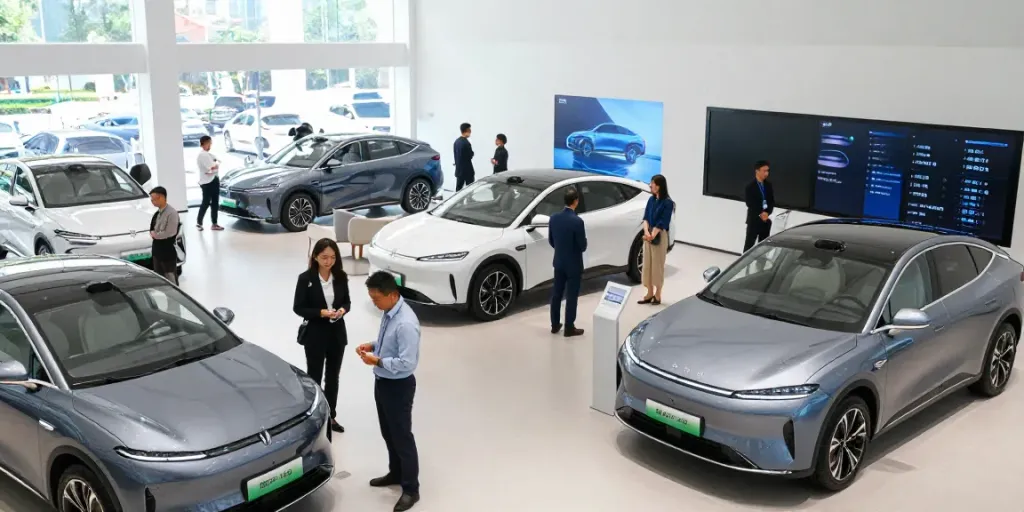
Understanding Electric and Hybrid Vehicles
As global interest in sustainable and eco-friendly transport increases, electric and hybrid vehicles are becoming increasingly prominent. The automotive industry is undergoing a significant transformation, leading to an upsurge in demand for these advanced vehicles. Understanding the distinctions between electric vehicles (EVs) and hybrids is essential for potential buyers who wish to minimize their carbon footprint while maximizing their driving experience. For further insights, situs 7meter serves as a valuable resource for information on electric mobility in Indonesia.
What are Electric Vehicles and Hybrids?
Electric vehicles are powered entirely by electricity, utilizing rechargeable batteries to operate electric motors. In contrast, hybrid vehicles combine an internal combustion engine with an electric motor, allowing them to draw power from both sources. This dual functionality enables hybrids to operate more efficiently than traditional gas-powered cars, particularly in urban settings where stop-and-go traffic is common.
Key Differences Between Electric and Hybrid Cars
- Power Source: EVs rely solely on electric power, while hybrids utilize both gasoline and electricity.
- Fuel Efficiency: Generally, hybrids achieve better fuel efficiency due to their ability to switch between power sources.
- Range: EVs typically offer a limited range per charge compared to hybrids, which can operate on gasoline once the electric charge is depleted.
- Charging Time: Charging an EV can take several hours depending on the battery size and charging station, whereas hybrids do not need to be plugged in.
Benefits of Switching to Electric Mobility
Switching to electric mobility offers numerous benefits, including reduced greenhouse gas emissions, lower operating costs, and enhanced performance. Electric vehicles provide instant torque, leading to a smooth and responsive driving experience. Moreover, as charging infrastructure expands, the convenience of owning an EV continues to improve.
Choosing the Right Vehicle
With various models flooding the market, selecting the right electric or hybrid vehicle can be overwhelming. Numerous factors play a role in making the best choice for your lifestyle and needs.
Factors to Consider When Buying Electric Vehicles
- Range: Assess how far you typically drive. Long-range models may be necessary for those with longer commutes.
- Charging Options: Determine whether you will charge at home, at work, or rely on public charging stations.
- Budget: Consider both the upfront cost and potential savings on fuel and maintenance over time.
- Incentives: Research government incentives for EV purchases, as these can significantly reduce the total cost.
Common Misconceptions About Electric Cars
Many potential buyers hold misconceptions about electric vehicles, which can deter them from considering this option. Common myths include the belief that EVs are too expensive, they have limited range, or that they are not suitable for long trips. Addressing these concerns with factual information can help potential buyers make informed decisions.
How to Compare Electric and Hybrid Models
When comparing electric and hybrid models, focus on factors such as energy efficiency (measured in miles per kWh for EVs and mpg for hybrids), charging capabilities, performance reviews, and user feedback. Websites like situs 7meter offer comprehensive comparisons and user reviews, making it easier to weigh your options.
Electric Vehicle Technology Advances
The landscape of electric vehicle technology is continually evolving, with numerous innovations enhancing the driving experience and efficiency.
Latest Innovations in Electric Vehicle Battery Technology
Battery technology is at the forefront of EV advancements, with manufacturers investing in research to create batteries that charge faster, last longer, and are more environmentally friendly. Advances such as solid-state batteries promise to deliver significantly enhanced performance compared to traditional lithium-ion batteries.
Charging Options: Home vs. Public Charging Stations
For EV owners, the choice between charging at home and using public charging stations can significantly influence the overall experience. Home charging offers convenience and lower costs, while public stations provide flexibility for longer trips. Understanding the local charging infrastructure and available options is crucial for prospective EV buyers.
Future Trends in Electric Vehicle Technology for 2026
Looking toward 2026, the electric vehicle market is expected to see a surge in advancements. Increased battery efficiency, a broader range of affordable models, and expanded charging networks will likely contribute to widespread adoption. Moreover, innovations in autonomous driving technology may reshape how we view transportation altogether.
The Role of Sustainability in Automotive Choices
As society becomes more environmentally conscious, sustainability plays a significant role in automotive choices. The shift toward electric mobility aligns with global efforts to reduce carbon emissions and combat climate change.
Environmental Impact of Electric Vehicles vs. Conventional Cars
Electric vehicles produce zero tailpipe emissions, making them a cleaner alternative to traditional gasoline-powered vehicles. While there are environmental concerns associated with battery production, the overall lifecycle emissions of EVs are generally lower than their conventional counterparts, especially when charged using renewable energy sources.
Government Incentives for Electric Vehicle Buyers
Government incentives can significantly impact the affordability of electric vehicles. Many countries offer tax rebates, grants, or subsidies for EV purchases, helping offset the initial costs and encouraging more consumers to make the switch to electric mobility.
Company Initiatives Toward Sustainable Practices
Automotive manufacturers are increasingly committing to sustainability through initiatives such as carbon-neutral manufacturing processes, sustainable sourcing of materials, and creating more energy-efficient vehicles. These efforts not only contribute positively to the environment but also resonate with a growing demographic of eco-conscious consumers.
Real User Experiences and Testimonials
User experiences provide invaluable insights into the advantages and challenges of owning electric and hybrid vehicles. Testimonials can help potential buyers understand what to expect when transitioning to electric mobility.
Featured User Reviews: Hybrid vs. Electric Experiences
Many users report satisfaction with the lower operating costs and the driving performance of their electric vehicles. In contrast, hybrid owners appreciate the flexibility offered by having both an electric and gas-powered engine. Reviews often emphasize the importance of considering individual driving habits when deciding between these two options.
Case Studies on Cost Savings with Electric Vehicles
Numerous case studies highlight significant cost savings associated with electric vehicle ownership. From reduced fuel costs to lower maintenance expenses, many EV owners find their long-term savings add up, making these vehicles a financially sound choice.
Community Insights: Navigating the Electric Vehicle Market
Joining online communities focused on electric and hybrid vehicles can offer valuable information and support for prospective buyers. Engaging with other EV enthusiasts provides insights on the best models, charging solutions, and maintenance tips, creating an informed and connected buyer experience.
What are the advantages of owning an electric vehicle?
Electric vehicles offer numerous advantages, including lower fuel costs, tax incentives, reduced maintenance requirements, and a positive environmental impact. They also provide a quieter and smoother driving experience, which many drivers find appealing.
How can I find suitable electric vehicle charging stations?
Finding suitable electric vehicle charging stations is easier than ever, thanks to various mobile applications and online maps that provide real-time information about charger locations, availability, and types of charging stations.
What should I know about electric vehicle maintenance?
Electric vehicles typically require less maintenance than traditional vehicles, as they have fewer moving parts and do not require oil changes. However, regular checks on the battery, tires, and brakes are still essential for optimal performance.
Are electric cars more expensive than hybrids?
The initial cost of electric cars can be higher than hybrids; however, considering fuel savings, tax incentives, and lower maintenance costs, EVs can prove to be a more economical choice over time.
What future trends can we expect in the electric vehicle market?
The electric vehicle market is set to undergo significant changes in the coming years, with advancements in battery technology, increased affordability, and expanded charging infrastructure paving the way for broader adoption. Additionally, the integration of AI and autonomous driving features signifies an exciting future for the industry.